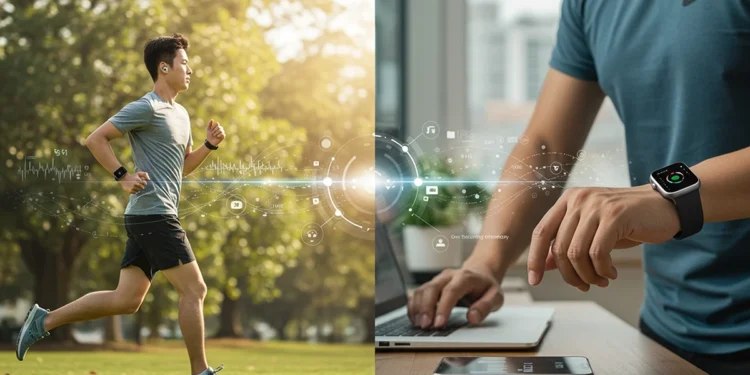
I’m annoyed and perturbed of the buzzword use that dominate the tech industry. Every time a new watch or ring hits the market, we’re told it’s going to change our lives. I’ve spent the last few weeks ignoring the glossy ads and digging into the actual sensors to find out if the benefits of wearable technology are real or if we’re all just wearing hyped-up fashion.
The truth is that most of these devices are designed to keep you tethered to your phone rather than actually improving your health. Brands want you to believe that a daily “readiness score” is a scientific fact when in reality, it’s often just a best guess based on cheap hardware that doesn’t always handle the messiness of real life.
This breakdown is for buyers who want to know whether wearable hardware delivers real, long‑term data value or just polished marketing wrapped around weak sensors.
The Tracking and Sensor Logic
Most fitness trackers and smartwatches rely on PPG sensors to monitor your heart rate. This tech uses light to track blood flow, but it has a high margin of error during intense technical loads or when the device isn’t perfectly snug. I’ve found that these sensors often struggle with dark skin tones or tattoos, which is a massive fail point that marketing teams never mention.
Then there is the accelerometer logic. Your device is essentially guessing your activity based on wrist movement. I’ve seen watches count “steps” while I was just sitting at my desk typing an email. If the hardware can’t tell the difference between a walk and a keyboard session, you have to question the accuracy of the entire data set.
Notification Wrist Fatigue
We were promised that smartwatches would help us put our phones away. Instead, they’ve just moved the distraction closer to our eyes. Getting a vibration for every spam email or social media alert isn’t a technical win for productivity. It’s just more noise that interrupts your flow.
I’ve found that for many people, the constant buzzing actually increases stress levels. You aren’t becoming more efficient; you’re just becoming more reactive to a piece of glass on your arm. The technical utility of these alerts only works if you spend an hour in the settings turning 90% of them off.
How Smart Rings Get It Right
I’ve recently started looking at smart rings as a more logical hardware choice. Because they don’t have a screen, they don’t try to steal your attention every five minutes. They focus exclusively on data collection, making them a better tool for people who want health insights without the notification spam.
The form factor is also a win for sleep tracking. Wearing a bulky watch to bed is annoying and often results in poor data because the device shifts during the night. A ring stays in place, providing a more stable environment for the sensors to monitor your recovery and temperature.
Identifying the Real Performance Benefits
Despite my skepticism, there are areas where the hardware actually delivers. The move toward ECG and Blood Oxygen (SpO2) monitoring is a genuine technical win. These sensors can spot underlying issues that a standard doctor’s visit might miss because they provide a continuous stream of data rather than a single snapshot in time.
The most valuable data point I’ve found is Heart Rate Variability (HRV). This isn’t a made-up marketing score; it’s a legitimate technical metric that shows how your nervous system is responding to stress. When you use this hardware logic to spot trends over months rather than days, you start to see the actual benefits of wearable technology.
The Battery Life Trade Off
We have to talk about the battery. Most high-end smartwatches still won’t last more than two days on a single charge. It’s a technical embarrassment that we’re expected to charge our “health monitors” as often as our phones. If the device is sitting on a charger, it isn’t collecting data, which creates gaps in your health history.
Devices with e-ink displays or minimalist smart rings are the only ones getting this right. They can last for a week or more, ensuring you get a complete picture of your biometric data. I don’t see any value in a powerful processor if the hardware is constantly going dark because the battery is too small for the features it’s trying to run.
The Wallet Rule for Wearables
Is wearable tech worth your money? If you’re buying it for the “cool factor” or as a status symbol, then it’s a bad investment. You’re paying a premium for hyped fashion that will be obsolete in two years.
But if you use it as a data-gathering tool to monitor long-term trends, the technical logic holds up. Focus on the gear that prioritizes sensor accuracy and battery life over flashy screens and notification gimmicks. A savvy buyer looks for the hardware that provides the most data for the lowest amount of daily maintenance.
The Apple Watch Series 11 is a solid piece of engineering if you actually plan to use the sensors for more than just a style choice. You can find the latest availability here to see if the hardware logic matches your routine, provided you’re looking for a data tool rather than just another fashion accessory.
Who Wearable Tech Is Actually For
Wearable hardware makes sense for buyers who care about long‑term data trends, not daily gimmicks.
Wearables make sense if you:
Who Should Avoid Wearables
For many people, the hardware adds friction without real benefit.
Wearables are a poor fit if you: