Wireless earbud audio problems became impossible to ignore after I spent three weeks relying on one pair for everything. Calls while walking, music during errands, podcasts at the gym, quick conversations in parking lots, and voice notes sent in noisy spaces all exposed the same weakness I had heard from other earbuds for years. They could sound fine in ideal conditions, but once daily life got involved, the cracks showed up fast.
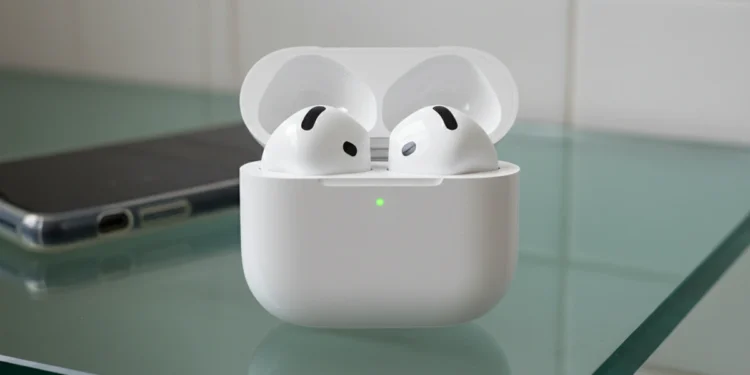
That pattern changed when I started testing AirPods 4 with the H2 chip. The shift was not dramatic in the flashy, marketing-heavy way most product launches try to sell. It was quieter than that. Fewer interruptions during calls. Less frustration in windy spaces. More moments where I stopped thinking about the earbuds at all because they were finally doing what I needed them to do.
After living with them, I came away convinced that most competing earbuds still miss the part of the experience that matters most: how audio holds up when real life refuses to cooperate. Wireless earbud audio problems show up most during outdoor calls, not music playback.
Audio problems start once you leave controlled environments
Plenty of earbuds sound respectable when you are sitting still inside a quiet room. That is also the easiest place to make almost any product look better than it really is. Life outside that bubble is where the true weaknesses begin to show, especially if you take calls on sidewalks, move between stores, or spend part of your day around traffic, fans, gym noise, or casual background chatter.
During my testing, outdoor calls became the clearest dividing line. A pair can have decent tuning and still fall apart the second wind hits the microphones. Another can play music well enough but make your voice sound distant, compressed, or buried under everything happening around you. Those are the moments that define the experience because they turn routine use into friction.
That is why broad roundups like lab-tested earbuds are useful for context, but they do not always capture the daily annoyance that builds when earbuds fail in motion.
Call clarity reveals wireless earbud audio problems
Music quality matters, but clarity matters more. Wireless earbud audio problems reveal themselves during calls, not playback. Rich bass and clean highs are nice to have, yet neither helps when someone asks you to repeat yourself three times on an ordinary phone call.
With AirPods 4, the biggest improvement showed up in the moments that normally go wrong. I could step outside, answer a call, keep walking, and not immediately wonder whether the other person was catching half my words. That created a sense of trust that most earbuds never build. Instead of adjusting my behavior to protect the product, I could use the product naturally and expect it to keep up.
That difference is easy to overlook on a spec sheet, but it becomes obvious fast once calls are part of your real routine.
The H2 chip feels more important in use than it does on paper
On paper, a chip upgrade can sound like another technical bullet point meant to pad a feature list. In practice, the H2 chip changes the experience because it improves how the earbuds respond to unstable environments. The difference showed up as a steady absence of problems, not a “wow” moment.
Apple’s processing approach became noticeable during calls where compromise normally happens. Most wireless earbud audio problems stem from inadequate processing power, not poor microphones. Sidewalk noise did not swallow my voice. Car conversations avoided tunnel acoustics. Busy indoor spaces stayed manageable instead of collapsing into mush. Those small wins added up: the earbuds earned trust in challenging situations.
Readers who want a broader benchmark on how premium audio products approach this category can compare that experience against Sony noise cancellation, especially if they are weighing different ideas of what “premium audio” should prioritize.
Fit consistency solves audio problems during daily testing
One thing that often gets ignored in earbud reviews is how much sound changes when fit shifts throughout the day. A pair can start the morning sounding balanced, then feel thinner or less focused later because of a slight change in placement. That inconsistency is subtle, but once you notice it, it becomes hard to ignore.
AirPods 4 handled that better than I expected. I did not need to keep reseating them to get the same result, and I was not constantly distracted by one side sounding slightly off from the other. Music stayed stable, voices stayed clear, and the earbuds felt less fussy over long stretches of use. That matters because convenience is part of quality, especially with a product designed to disappear into your daily rhythm.
Good earbuds should not require constant maintenance from the person wearing them. They should settle in and stay useful.
The gym exposed wireless earbud audio problems
The gym was where weaker earbuds usually lose me. Not because they stop working entirely, but because they become irritating in all the small ways that pile up during a workout. Movement changes fit, sweat affects comfort, background noise rises, and any call taken between sets becomes a gamble.
I used AirPods 4 through several sessions where I deliberately mixed music, short calls, and general movement to see where the experience would break. That break never came. Comfort stayed consistent. Connection remained stable. Reliability never demanded babying. More importantly, calls did not turn into those awkward exchanges where you apologize for noise before the conversation even gets started.
That same real-world lens is why technical ranking pages like earbud comparisons are helpful, but still incomplete without lived use over time.
Battery life in real world performance
Battery claims often sound better in marketing than they do once you start using a product the way normal people actually do. Calls, uneven volume, constant switching between tasks, and quick listening sessions tend to chip away at those ideal numbers fast. My experience here felt realistic rather than exaggerated.
I had enough battery for normal daily use without thinking about it too much, which is exactly what I want from earbuds in this category. The case covered the rest in a way that made the overall setup dependable rather than stressful. Nothing about the charging experience felt revolutionary, but it did feel settled, and that is often the more useful quality.
When battery performance becomes invisible, the product is doing its job.
Why open ear design matters
Many rival products still seem designed around isolated strengths rather than the full rhythm of real use. Wireless earbud audio problems persist because manufacturers optimize for lab tests instead of daily scenarios. One pair may emphasize tuning. Another may lean hard into noise cancellation. A third may chase premium branding while leaving everyday call quality feeling strangely average. That is where the gap opens up.
AirPods 4 felt more cohesive because the experience did not depend on one standout trick. Instead, the earbuds handled the small daily pressures that usually expose weakness: motion, noise, quick transitions, inconsistent fit, and ordinary conversations in less-than-perfect conditions. That made them easier to trust than many products that may look equally impressive in a comparison chart.
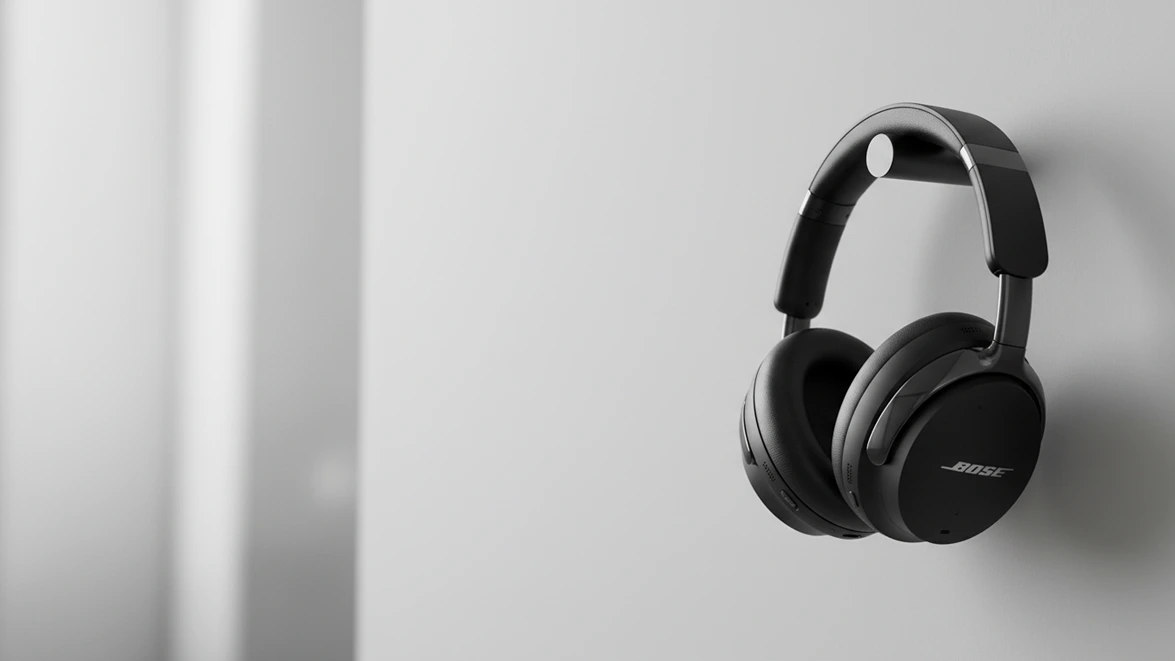
Anyone exploring how other premium brands frame that experience can also check Bose QuietComfort Ultra for another perspective on where premium audio priorities can shift.
Extended evaluation reveals biggest win
At the end of three weeks, the strongest takeaway was not that these earbuds transformed music or reinvented portable audio. Something simpler emerged. The low-level uncertainty that usually follows wireless earbuds everywhere disappeared. Wind noise no longer threatened calls. Moving to quieter locations became unnecessary. Fit adjustments stopped happening.
That is what makes the H2 chip feel meaningful from a user’s perspective. The chip addresses wireless earbud audio problems at the processing level rather than relying on software workarounds. Beyond adding specs, this creates an experience that feels calmer, more dependable, and far less fragile once daily life starts pushing back.