Sony noise canceling headphones reach their most complete form in the WH-1000XM6. It is a wireless over-ear model built around a dedicated noise canceling processor and a dozen microphones. Choosing a pair at this level means weighing isolation, sound, comfort, battery life, and call quality against a premium price. No single spec settles that decision, so this guide covers each factor in turn.
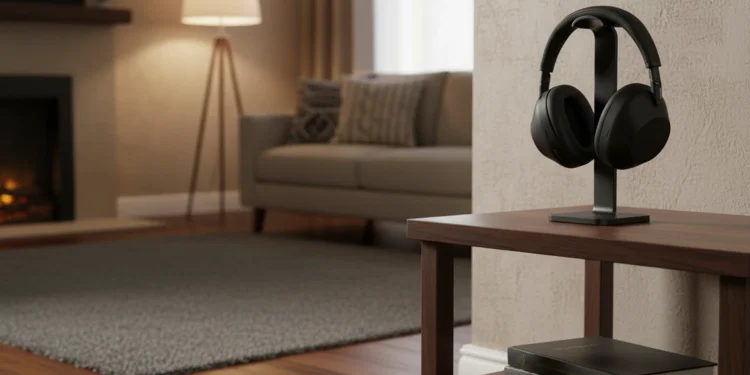
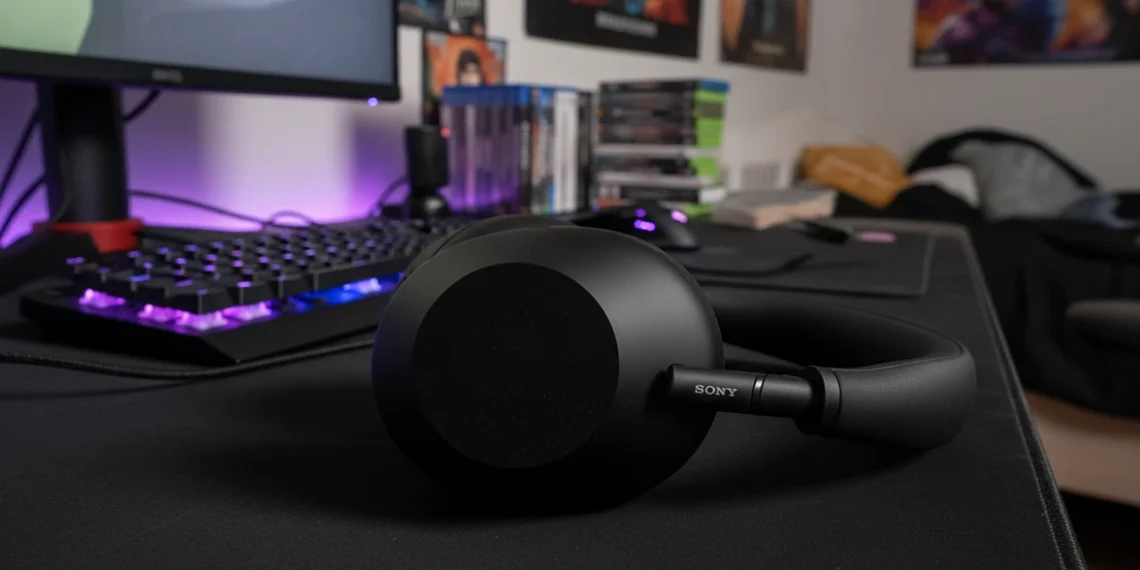
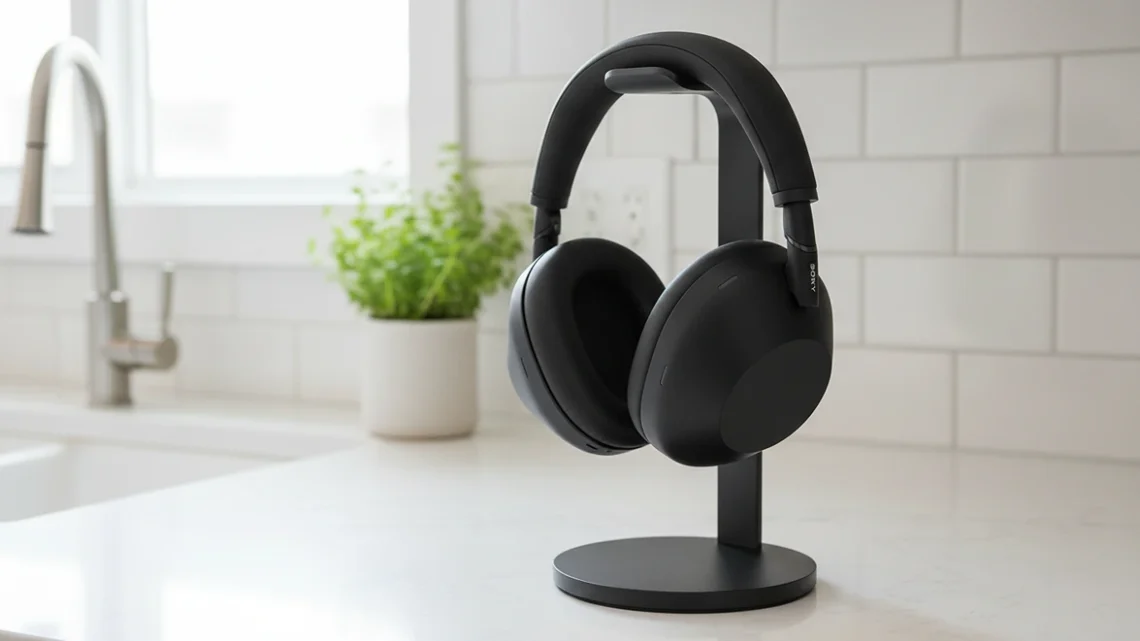
Headphones earn their keep in ordinary places. They sit on a stand by the sofa, travel to a desk for a long work session, and rest on a kitchen counter between uses. A good pair has to disappear into those routines. That makes comfort and everyday convenience as important as the headline noise canceling numbers.
The details here come from Sony’s launch coverage and an independent test, and the article flags where reviewers noted drawbacks. Prices change often, so the article leaves them out and shows how to judge value instead. Nothing here depends on a sale, so the advice still applies when the price moves. Photos throughout show the headphones in the places people actually use them, from the living room to the desk and the kitchen counter.
How the XM6 Defines Sony Noise Canceling Headphones
The XM6 is a wireless over-ear headphone with one clear goal. It removes as much unwanted sound as possible while keeping the music natural. According to TechRadar launch coverage, the QN3 is a Sony-made chip that handles both noise canceling and playback. Sony says it runs seven times faster than the QN1 chip used in an earlier model.
Hardware matters as much as the chip. The headphones carry twelve microphones in total, which gives the processor a detailed picture of the sound around the listener. Those microphones feed the adaptive noise canceling optimizer. The optimizer adjusts to the surroundings instead of applying one fixed setting, so the system reacts to a changing environment rather than a single profile.
Controls stay simple. Touch controls sit on the right earcup, and a physical button handles power and Bluetooth pairing. Covering the cup switches on passthrough, so outside sound comes in. In addition, because the controls live on the earcups, the headphones work the same way whether they pair with a phone or a laptop. That mix keeps everyday use quick, which matters because the best feature is the one a listener actually reaches for during a busy day. Sony noise canceling headphones succeed or fail on this kind of everyday ease.
Inside the Noise Canceling Hardware
The What Hi-Fi testing found four outer microphones and two inner microphones in each earcup. A mesh reduces wind noise. The outer microphones listen to the world, while the inner ones let the system check what actually reaches the ear. That design works as a pair, because one set hears the problem and the other confirms the result. The same testing found strong reduction of low and midrange noise. That is the range where engines and ventilation systems tend to sit. The focus explains why the headphones suit commutes, shared rooms, and long flights. Expect a quieter room, not a silent one, and judge the headphones on that basis.
One limit deserves mention. What Hi-Fi notes that the noise canceling level cannot be adjusted manually, so the adaptive system makes the call. Some listeners prefer a dial, and others enjoy a system that works without fuss. The effect also felt natural and subtle in that testing. Sony noise canceling headphones with that tuning suit people who dislike a heavy sensation from noise canceling.
Why Noise Control Matters for Your Ears
Noise is more than an annoyance. The CDC noise guidance gives the NIOSH recommended exposure limit as 85 A-weighted decibels over an eight hour shift. It says each 3 decibel increase cuts the allowable daily exposure time in half. The page also says noise is likely hazardous when a person must raise their voice to be heard by someone an arm’s length away. The same page notes that employers must provide a hearing loss prevention program when workers face exposure at or above the recommended limit.
Headphones fit into that picture in a simple way. Strong noise canceling lowers the background that listeners fight against. That leaves less reason to push the volume higher to compensate. The CDC page speaks about workplace exposure, so it does not rate any headphone. Its numbers still explain why reducing surrounding noise is worth caring about, and why a quieter background helps long listening sessions stay comfortable. A simple habit helps here. If someone nearby can follow the music, the volume is probably higher than it needs to be. Short listening breaks give the ears time to rest, and Sony noise canceling headphones make quiet surroundings easier to reach.
Sound Quality Behind the Silence
Silence only matters if the music sounds good. The XM6 uses 30 millimeter carbon fiber composite dome drivers paired with the QN3 processor. TechRadar adds that the dome is more rigid, a change aimed at better high frequency detail. What Hi-Fi called the result the most detailed, dynamic, precise, and open sound it has heard from a wireless Sony flagship. It described the tonality as natural and even handed.
Codec support decides how much detail survives the wireless trip. The headphones support SBC, AAC, LDAC, and LC3 over Bluetooth 5.3 with multipoint, so two devices can stay connected at once. LDAC is Sony’s own codec for high resolution playback, though it works only when the source device supports it. Check the phone or player before expecting the full benefit. However, wired listening through the included cable skips Bluetooth entirely, which helps when a source lacks LDAC support. Sony noise canceling headphones deliver their best sound when the source and the codec match.
Spatial features come with limits. Stereo audio can be upscaled to spatial audio, and 360 Reality Audio support is limited to Amazon Music and Deezer streams, according to What Hi-Fi. A cinema upmix mode applies spatial processing to stereo content. Treat these as extras rather than reasons to buy. The core sound quality matters far more, and it should drive the decision.
Sony Noise Canceling Headphones for Work and Focus
A desk is where noise canceling pays off every day. Open spaces, shared rooms, and household sounds all pull attention away from the task. A pair of headphones with strong isolation turns a noisy room into a workable one. It does so without asking anyone else to be quiet. The XM6 supports that kind of focus with a few smart features beyond the noise canceling itself. A quiet desk also supports routines. Many people pair focus music or a podcast with deep work, and steady isolation keeps those sessions from breaking apart when hallway chatter or street noise appears.
Speak to Chat lowers the volume automatically when the wearer starts talking, which saves fumbling for controls during a quick conversation. Ambient Sound and Quick Attention modes let outside sound in when needed. Covering the earcup switches on passthrough too. Those options matter in offices, where a colleague’s question should not require removing the headphones.
Calls count too. TechRadar reports six beamforming microphones that capture the voice. They work alongside an AI noise reduction model that Sony says was trained on more than 500 million voice samples. Multipoint connection means the headphones can stay paired with both a laptop and a phone. For a long day of meetings, that combination keeps audio flowing without repeated pairing. Together, the microphones and the processor aim to keep a voice clear even in a noisy room, though results still depend on the room and the call software.
Comfort and Fit Over Long Sessions
Comfort decides whether Sony noise canceling headphones get worn or left in a drawer. The XM6 weighs 254 grams, according to What Hi-Fi. It uses a wider, flatter headband than the model before it, with stepless sliders and cushioned earpads. TechRadar adds plush memory foam padding in the headband and earcups. Its reviewer reported no notable pressure on glasses stems.
Fit has trade offs. What Hi-Fi describes the clamp as firm, and it notes that the earcups can twist out of position while being placed on the head. Plastic runs throughout the build, even though the materials feel premium. Weight matters less than balance, so judge the headphones by how they sit during an hour of wear instead of by the number on a spec sheet. Sony noise canceling headphones suit many head shapes, but anyone who wears headphones for many hours should try a pair or buy where returns are easy. Head shape varies, and comfort is personal. Test the fit with a simple routine. Wear the headphones for an hour with glasses on, if you wear them, and note any pressure at the crown, the jaw, or behind the ears. Adjust the sliders until the earcups sit centered over the ears. If a pressure point appears within the first hour, it will likely grow over a full workday.
Battery Life and Charging in Daily Use
Battery life reaches about 30 hours with noise canceling or passthrough on, and about 40 hours with both off, according to TechRadar. Those figures are estimates, so real results vary with volume and codec. Quick charging helps in a pinch, since three minutes plugged in gives about three hours of playback. Listening while charging is also possible. The math is easy to run. At four hours of listening a day, a 30 hour battery lasts a little more than a week between charges. Heavier use shortens that window, and lighter use stretches it, so Sony noise canceling headphones fit both commuters and casual listeners.
Charging and cables follow simple rules. USB-C handles charging, and a 3.5 millimeter audio cable comes in the box for wired listening. What Hi-Fi points out that wired audio over USB-C is not supported, so the aux cable is the wired route. Keep the cable in the case for flights and for the day the battery runs low. A short top up before leaving home takes only minutes, and it removes most battery worries. Charge the headphones on a regular day each week, and the battery rarely becomes a surprise.
Design, Storage, and Everyday Habits
How Sony noise canceling headphones live between sessions shapes how long they last. The earcups fold on two hinges, and TechRadar notes a slimmer carrying case with a magnetic clasp. The design keeps the headphones easier to pack than a fixed frame would. A case matters for travel, because a bag full of keys, chargers, and loose items can scratch and bend headphones.
What Hi-Fi lists folding among its drawbacks. It says the headphones must be stored flat in the hard case and that the hinges can catch fingers. Take a few seconds to fold them carefully, and keep fingers clear of the hinge. Then wipe the earpads with a dry cloth now and then, since skin oils build up on cushioned surfaces. Those small habits avoid pinches and protect the frame over time.
A dedicated stand solves the daily storage question. Resting the headphones on a stand keeps the headband from bending and keeps the earcups off dirty surfaces. It also keeps the pair within reach on a counter or desk, so there is no reason to leave them on a sofa cushion. A stand spares the case for travel, where it earns its place. Small habits like these help any pair of headphones last.
Who Should Buy Sony Noise Canceling Headphones
Value starts with matching features to habits. Listeners who face constant background noise, work in shared spaces, or spend hours on calls get the most from the XM6. People who want a manual noise canceling dial, a compact fold, or wired USB-C audio should weigh the drawbacks above before buying. Sony noise canceling headphones reward the buyers who use every feature.
Price deserves a clear look. Premium hardware costs more up front, and the rising cost of consumer devices shows up in many categories, as our guide on tech tariffs on hardware explains. For example, check the current price, then compare it with how many hours the headphones will see each week. Divide one by the other, and decide whether that cost per hour feels fair. A pair worn daily spreads its cost across a very large number of hours.
Listeners who prefer a different style can compare the Bose QuietComfort Ultra headphones, the Beats Solo 4 headphones, or the AirPods 5 earbuds. Still, price is only half the story. Pick the pair that fits your noise, your head, and your habits. For listeners who need quiet, comfort, and clear calls in one package, Sony noise canceling headphones in the XM6 form deserve a serious look. Before buying, write down three things. List where you will use them most, how many hours a day they will stay on your head, and which drawback from this guide would bother you most. If the answers line up with the strengths covered here, the purchase makes sense.
Audio Gear (Headphones)
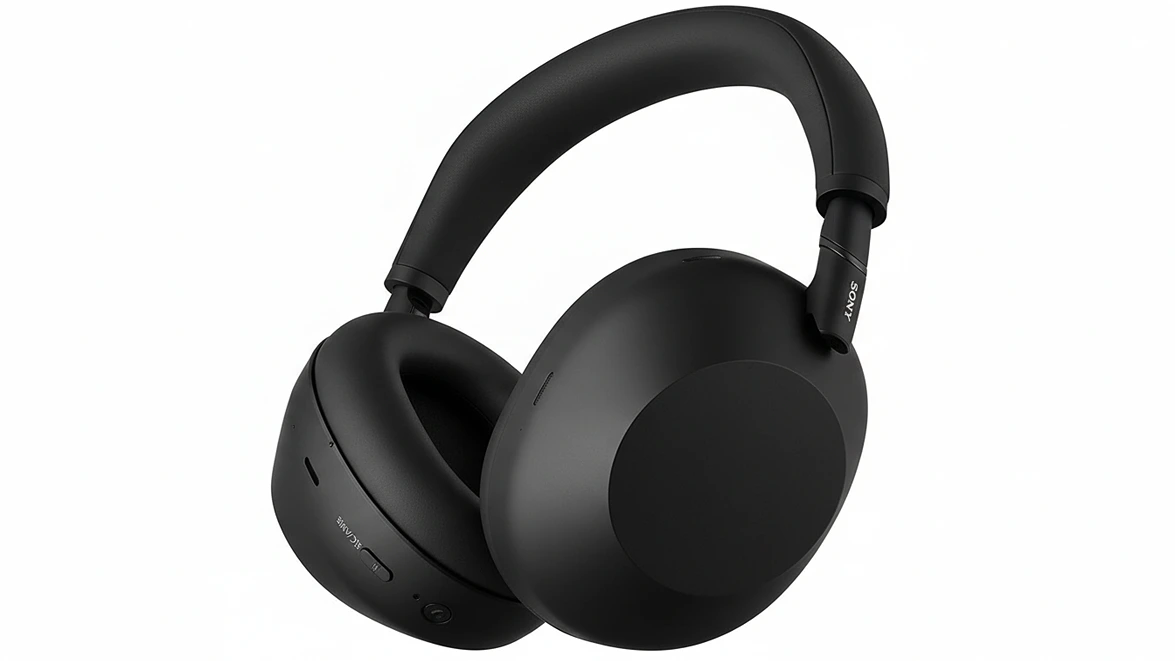
Sony WH-1000XM6
Wireless Noise Canceling Headphones