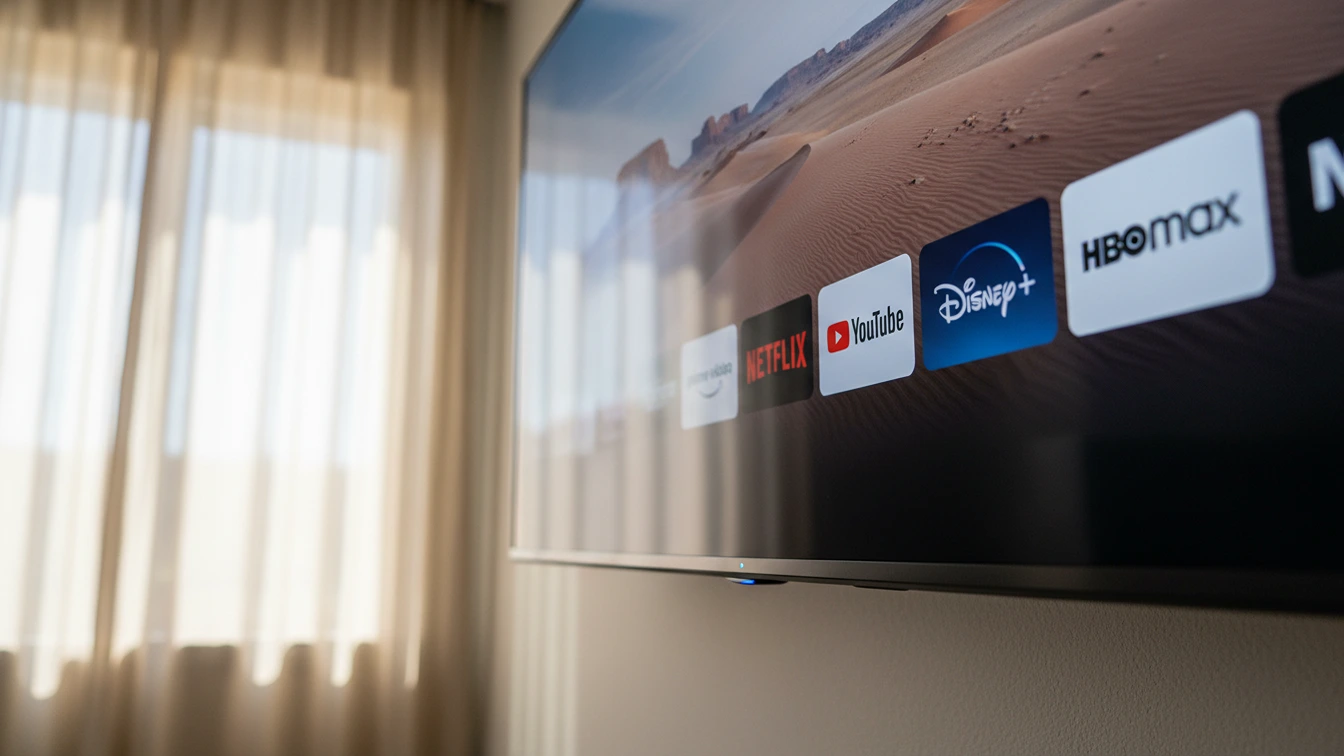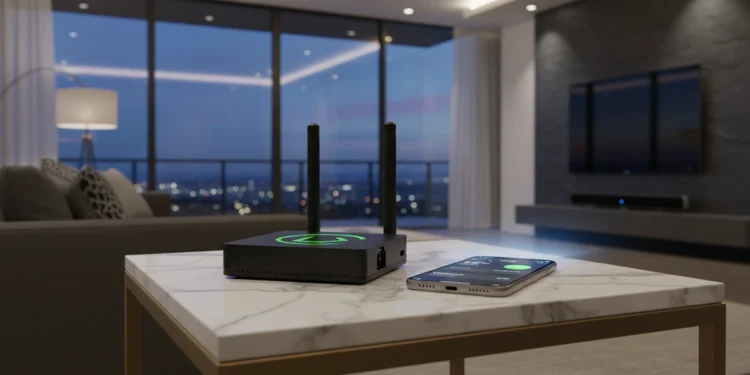
Retail smart home marketing usually focuses on glossy screens and voice assistant gimmicks to distract from a lack of actual hardware ownership. Most hubs currently sitting on kitchen counters function as dummy terminals that require a server’s permission to process a simple command. The Hubitat C-8 Pro Local Control architecture rejects this parasitic model by keeping the automation logic inside the house.
Technical debt accumulates every time a user adds a cloud-dependent sensor to a mainstream ecosystem. These systems rely on an active internet connection to process routines like turning on a light when a door opens. This dependency creates a massive point of failure and introduces lag that shouldn’t exist in a modern home. Reliability is the primary benefit of this local-first approach.
Silicon Muscle For Local Calculations
Mainstream hubs hide their weak internal processors behind pretty interfaces and advertising widgets. The C-8 Pro uses a 2GHz CPU and 2GB RAM to function as a dedicated local computer. This hardware overhead is necessary to handle complex rule sets without the stuttering found in underpowered retail gear.
Data processing happens within milliseconds because the signal never travels to a server in another state. Local execution ensures that automations continue to run even during a total internet outage. A house shouldn’t lose its basic functionality because an ISP is having a bad day or a corporate cloud service goes dark.
RAM management stays efficient because the device isn’t wasting resources on data-mining or background advertising feeds. Every megabyte of memory is dedicated to maintaining the device database and executing user-defined rules. This focus on utility over marketing metrics is what defines a professional-grade hub.
External Antennas And The Z Wave 800 Edge
Internal antennas in big-tech hubs often struggle with signal interference from walls and furniture. These prominent External Antennas on the C-8 Pro provide a physical advantage for smart home connectivity. Better range ensures that sensors at the edges of a property stay connected without needing expensive repeaters.
Radios for Z-Wave 800 and Zigbee 3.0 are included natively to handle thousands of different devices. The Z-Wave 800 chip offers significant improvements in battery life for sensors and faster communication speeds. It’s a technical upgrade that retail hubs often skip to keep manufacturing costs low.
Matter and Thread support are standard features now, but their implementation varies wildly across brands. This hub uses these standards to talk directly to devices without a corporate middleman. Compatibility isn’t a marketing gimmick when the hardware supports the underlying protocols on a local level.
The Brutal Truth About The User Interface
Marketing departments clearly didn’t have a say in the design of the Hubitat dashboard. The interface looks like a spreadsheet from twenty years ago and lacks any modern aesthetic. Users trade a pretty screen for a system that doesn’t harvest their data or lock features behind a paywall.
Configuring this device requires a level of patience that the average consumer doesn’t possess. It isn’t a plug-and-play toy for people who just want a digital photo frame. Technical sovereignty has a steep learning curve that discourages the casual buyer looking for an easy setup.
Developing complex automations happens through a logic-based engine rather than a simple drag-and-drop app. This power allows for granular control over every aspect of the home environment. The friction of the learning process is the price of admission for a system that actually respects user intent.
Escaping The Subscription Revenue Trap
Corporate hubs treat hardware ownership as a temporary permit rather than a permanent purchase. Amazon and Google can brick a device or lock core features behind a monthly paywall whenever they need to hit a quarterly goal. Local control removes this threat by isolating the home’s infrastructure from the manufacturer’s whims.
Privacy is a myth inside a walled garden where every voice command is recorded and processed off-site. The C-8 Pro processes every trigger locally, meaning your personal habits stay on your own private network. This “CloudFree” approach is the only way to ensure a home doesn’t become a data-mining outpost for a tech giant.
Recurring fees are a massive drain on the long-term value of a smart home setup. While a retail hub might be cheaper upfront, the subscription costs for camera storage and advanced features add up quickly. This hardware respects the user’s wallet by removing the monthly tax on hardware permissions.
Setup Friction And Mandatory Firmware Updates
First-time users will find the initial setup annoying and repetitive. The hub often requires several restarts and firmware updates before it can even pair with a basic bulb. This friction is a standard part of owning hardware that prioritizes security and stability over a “seamless” marketing experience.
Documentation is the only way to navigate the more complex automation rules for different device types. The community-driven support is excellent, but it requires the user to do their own homework on forums and wikis. Don’t expect a polished customer service representative to hold your hand through a custom Zigbee integration.
Pairing devices can be a hit-or-miss experience depending on the brand of the sensor. Some manufacturers use non-standard implementations of Zigbee that require specific drivers to work correctly. The Hubitat community usually provides these drivers, but finding and installing them takes time and technical effort.
A Comparison Of Technical Sovereignty
Choosing the right hub depends on whether a user values a pretty screen or a reliable system. Mainstream hubs are fine for people who don’t care about privacy or offline functionality. The Hubitat C-8 Pro is the only logical choice for anyone building a serious, resilient home network that doesn’t rely on the cloud.
Data-mining is the hidden cost of “free” ecosystems and inexpensive retail displays. Every proprietary hub is a gamble on the company’s future and its willingness to let you keep using the gear you bought. It’s time to stop treating home automation as a hobby and start treating it as private infrastructure.
Escaping the cloud dependency trap isn’t easy, but it’s necessary for true autonomy. This black box represents the exit strategy for those tired of big-tech interference and rising subscription costs. The convenience of a voice assistant isn’t worth the loss of control over your own living space.
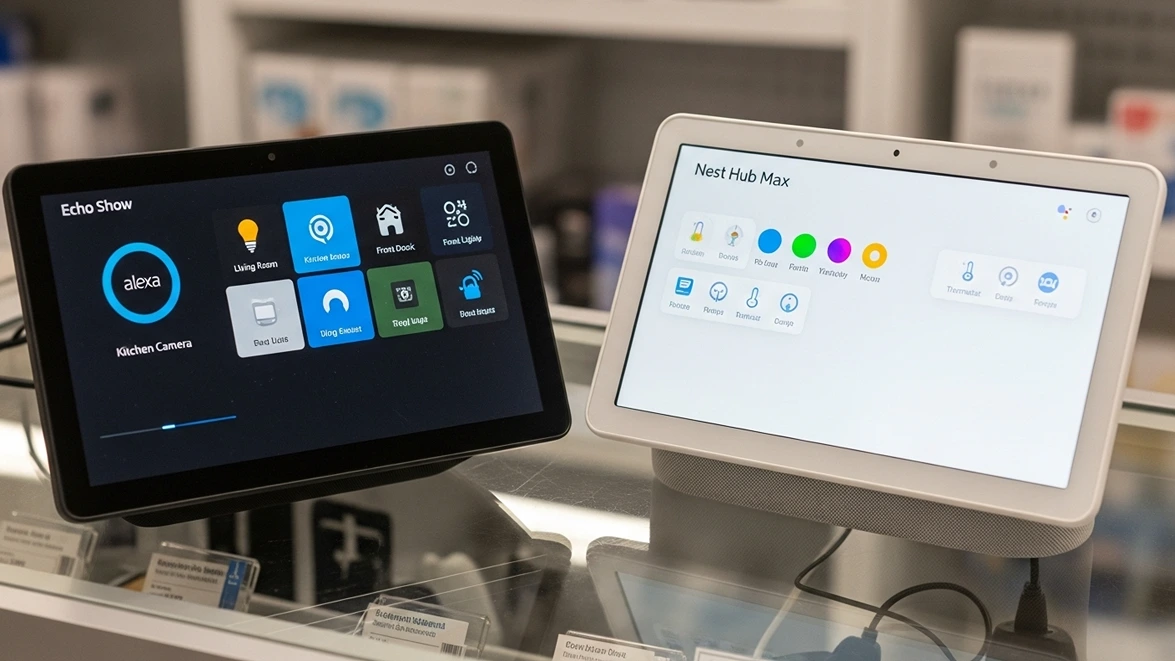
Technical users who value local sovereignty with the Hubitat C-8 Pro avoid the data harvesting found in locked-down Echo or Nest ecosystems to regain control of their homes.
Hubitat Control Hub
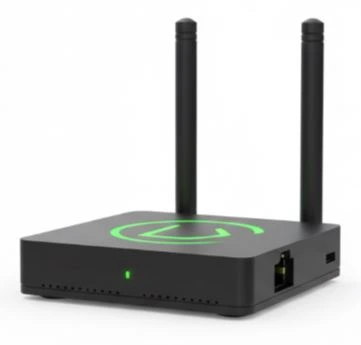
Hubitat Control Hub
C-8 Control Hub