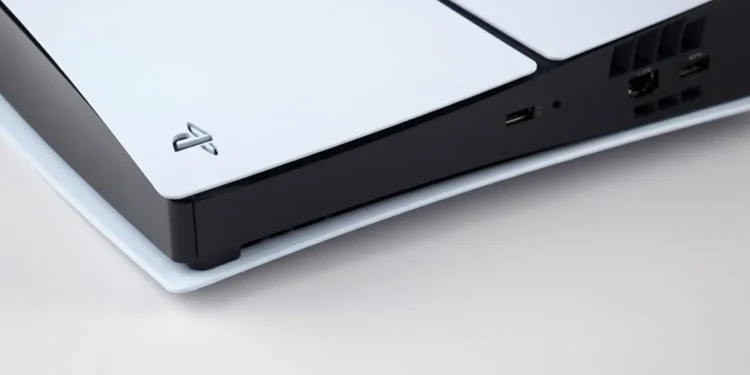
Standard lifecycles for home entertainment hardware usually approach a transition point after six years on the market. The arrival of the mid-generation refresh served as a temporary fix for users who want better image clarity. These PlayStation 6 hardware expectations suggest that the real generational shift requires a total overhaul of the internal silicon.
Hardware enthusiasts feel the friction of paying for incremental updates that do not solve the core problem of native performance. Most modern games still force a choice between high frame rates and realistic lighting effects. This technical compromise creates a demand for the upcoming architectural leap known as Project Amethyst.
Internal silicon projections reveal a massive architectural chasm
The current hardware ceiling limits the effectiveness of software-based solutions like PlayStation Spectral Super Resolution. Benchmarks for the newest Pro model show a peak thermal output of 62°C when the ray tracing settings are active. This heat level indicates that the current cooling systems struggle to manage the power needed for true path tracing.
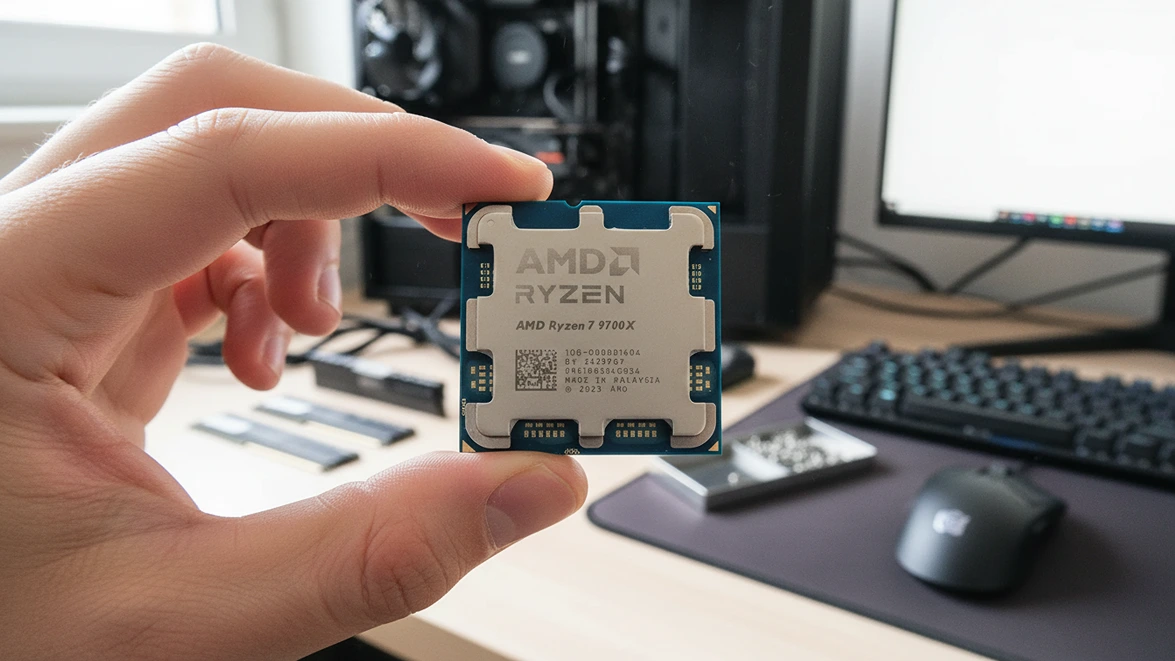
Projected Zen 6 processor logic targets these specific bottlenecks to allow for a higher volume of data throughput. Internal leaks suggest that the upcoming hardware will utilize a 2nm fabrication process to improve electrical efficiency. This shift in manufacturing allows the console to run faster while maintaining a stable temperature profile inside the chassis.
Software upscaling currently introduces a latency of 12ms during high-intensity scenes in competitive shooters. Projections for the next generation aim to reduce this delay through dedicated Neural Arrays built directly into the silicon. These arrays handle the AI upscaling work without stealing power from the primary graphics engine.
Project Amethyst hardware introduces new light processing tech
Technical papers regarding the AMD partnership mention a new feature called Radiance Cores. These specialized units focus exclusively on the complex math required for path tracing and global illumination. You should study the Project Amethyst white papers to see how these cores differ from the current hardware blocks found in older consoles.
Neural Arrays function as a secondary brain for the system to handle the massive load of real-time image reconstruction. This hardware-level AI processing ensures that the image stays sharp even when the action on the screen gets chaotic. The goal is to provide a native 4K experience at 120 frames per second without relying on blurry software tricks.
Universal compression solves the memory bandwidth bottleneck
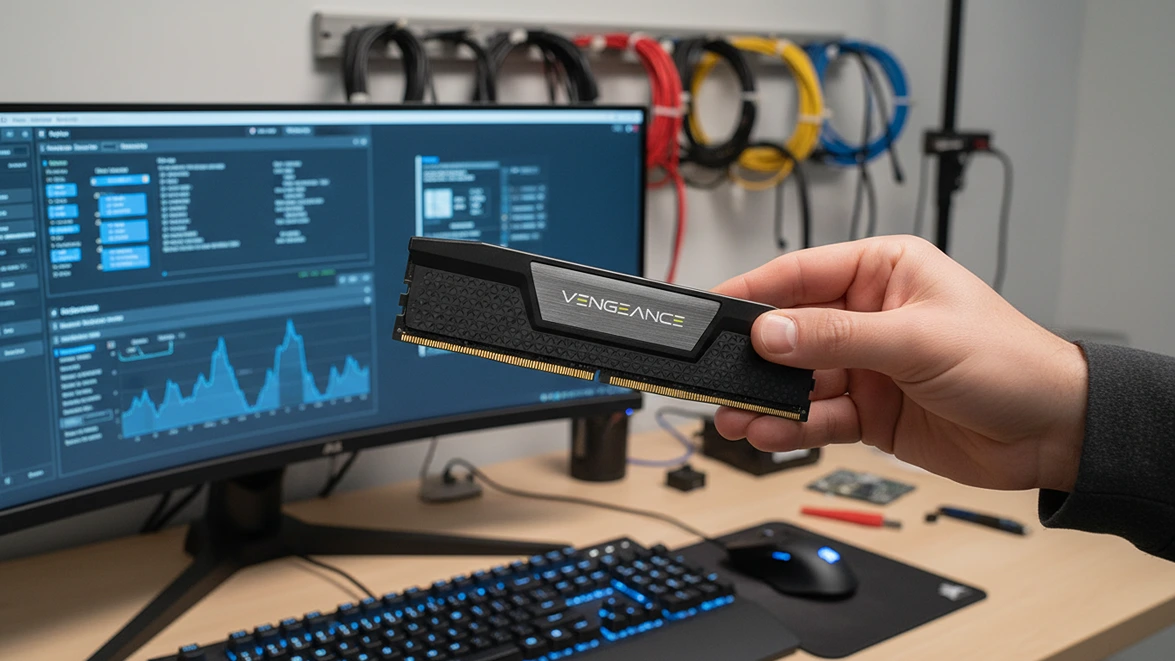
Global shortages in the RAM market continue to drive up the cost of high-speed memory modules. Sony plans to fight this economic pressure by using a new technique called Universal Compression to move data more efficiently. This logic reduces the amount of physical memory needed to display high-resolution textures and complex 3D environments.
A massive jump in memory bandwidth allows the system to load assets almost instantly from the storage drive. You can review our PS5 Pro thermal benchmarks to understand the cooling challenges that this next generation of high-bandwidth memory will face. Efficient data movement remains the most important factor for achieving a stable 8K output standard.
Economic shifts delay the release window toward the end of the decade
Tariffs and manufacturing costs in Vietnam and China make the previous five-hundred-dollar price point look like a fantasy. Most industry analysts expect the next home console to launch near the seven-hundred-dollar mark. This price hike reflects the reality of the current global economy and the high cost of cutting-edge semiconductors.
A projected release date of 2029 allows the global supply chain to recover from the current memory shortage. This extra development time ensures that the hardware can support the latest wireless standards and media interfaces. Rushing a product to market during a parts crisis usually leads to scalping and inventory failures that hurt the brand.
Dual chip strategies hint at a new mobile ecosystem
Rumors suggest that the next generation will include two separate systems on a chip to handle different user needs. This strategy provides a path for a dedicated handheld hardware unit that works alongside the primary home console. Sony wants to prevent users from leaving the ecosystem for portable competitors that offer more flexibility.
The handheld version of the hardware would allow for native play of previous-generation titles while streaming the newest high-end games. This approach respects the growing demand for portable gaming without sacrificing the power of a home-based workstation. You should consider professional grade SSD storage upgrades to handle the massive library of games across multiple devices.
Physical media preservation remains a heated topic for those who value the ownership of their digital library. Consumers fear that the move toward a digital-only future will eliminate their ability to trade or sell their games. The hardware design must address these concerns to maintain the trust of a loyal and vocal audience.
Media standards require high performance connectivity tools
Investing in high-bandwidth HDMI cables becomes a necessity when moving toward the newest 8K output standards. Standard cables often fail to provide the signal integrity needed for the high frame rates and deep colors of modern displays. Technical enthusiasts must prepare their home theater setup for the arrival of these high-speed requirements.
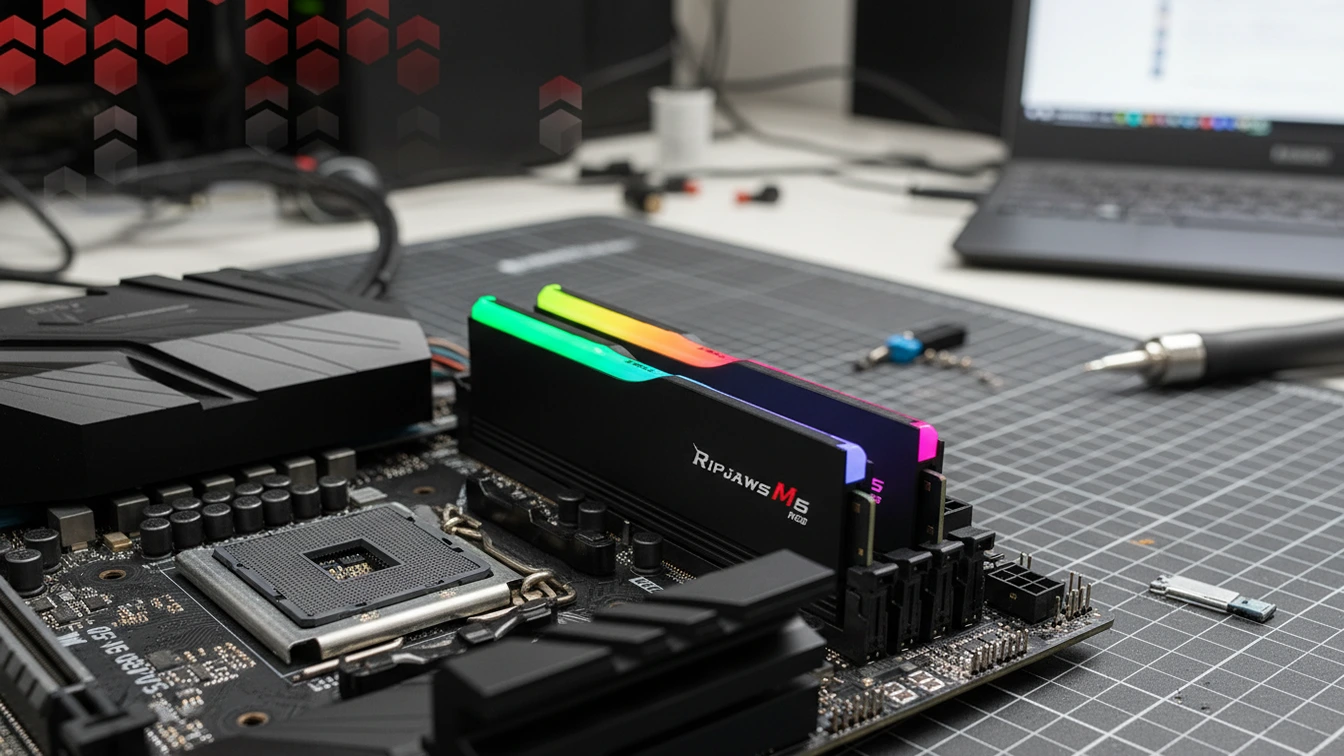
The shift toward uncompressed textures and high-bitrate audio will also strain the internal storage capacity of the console. Upgrading your local storage setup allows the system to function at its peak without constant file management. This hardware-first mindset ensures that your rig remains useful as the industry moves toward the 10th generation of consoles.
Technical enthusiasts prioritize raw data over marketing slogans
Smart buyers look at the architectural limits of a chip instead of the flashy labels on the retail box. The leap to Zen 6 and RDNA 5 represents a functional change that no software update can provide for current consoles. Waiting for a true generational shift is the logical choice for those who value absolute performance.
The PlayStation 6 hardware expectations prove that the current market leaders face a serious challenge from upcoming tech. Reclaiming your digital freedom starts with understanding the hardware inside your machine and making informed choices. The era of settled performance is ending as the next architectural breakthrough approaches.