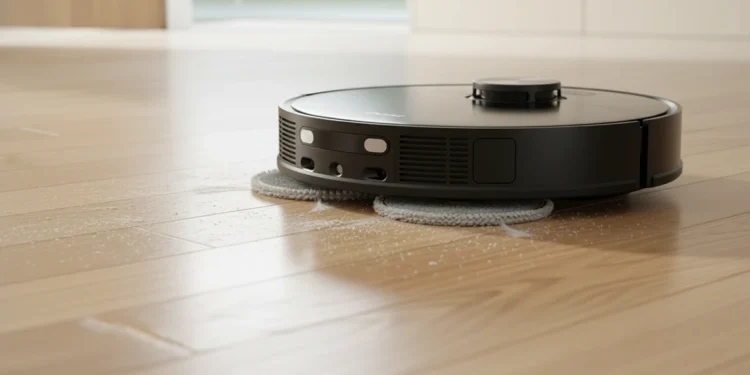
Most high-end floor cleaners eventually lead to a damp rug and a high-centered motor that requires a manual rescue. Brands frequently promise a hands-off experience but deliver a fragile toy that stalls on a simple door track or smears dirt across the living room. Finding a machine that actually addresses the physical limitations of a home layout is a rare occurrence in a market flooded with empty marketing claims.
Frustration with previous hardware launches has turned most early adopters into skeptics who expect a new device to fail within the first week. Seeing this specific setup move through a house without getting trapped under a low-profile couch or stuck on a doorway lip is a genuine shock. Reliability increases when the hardware prioritizes actual movement over flashy software updates that do nothing to clean the floor.
Past floor cleaning failure ended with one specific hardware choice
Watching a machine struggle to move across a standard threshold has been a defining frustration of home automation for nearly a decade. Typical designs rely on small wheels and low ground clearance that turn a simple sliding door track into an impassable wall. The addition of ProLeap retractable legs changes the physical interaction between the bot and the floor plan by allowing the chassis to step over obstacles.
These mechanical clearance legs lift the robot high enough to clear vertical steps up to 1.65 inches and double-layer thresholds that would typically trap a standard cleaner. This hardware choice transforms the bot from a fragile sensor-array into a capable climber that handles the transition between tile and hardwood without a frantic error notification. Autonomous confidence grows when a homeowner no longer has to tidy every transition strip before starting a cleaning cycle.
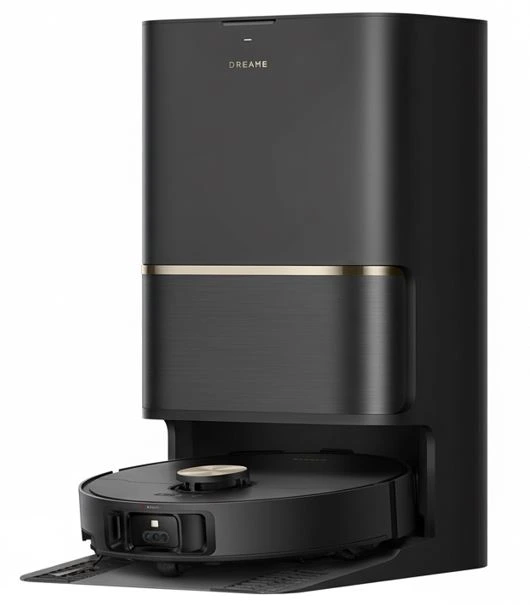
Confidence in a robot vacuum depends entirely on its ability to finish the task without human intervention during the middle of a workday. Most models claim to be smart but lack the physical tools to execute a path through a home with uneven surfaces or thick rails. The Dreame L50 Ultra performance eliminates the need for virtual walls or physical ramps just to get the bot from the kitchen to the dining room.
Heavy suction and detangling rollers remove the burden of constant maintenance
Airflow matters more than marketing buzzwords when dealing with heavy debris and the inevitable presence of pet hair on a living room rug. The 19,500 Pa Vormax suction provides enough pull to lift dust from deep grout lines and heavy carpet fibers during a single pass. High-pressure airflow results in the removal of large particles like cat litter or spilled kibble rather than their scattering across the room by a side brush.
Constant hair wraps around a main roller used to be a mandatory weekly chore for anyone with long-haired pets or residents. The HyperStream Detangling DuoBrush resists these wraps by channeling strands directly into the suction path through a V-shaped bristled system and a TPU rubber roller. Combining these mechanical components prevents knotting around the axle and allows the bot to maintain high airflow without requiring manual removal of stubborn fibers.
Maintenance requirements further vanish when the dock handles the most disgusting parts of the floor cleaning process. The system washes the mop pads with 167 degree hot water and uses air drying to prevent the swampy odors common in older docking stations. An automated washboard cleaning cycle provides a base that stays free of residue and slime without the user having to scrub the plastic tray manually.
Obstacle avoidance prevents the machine from eating power cables or disturbing pets
Obstacle avoidance systems frequently fail in dim lighting or struggle to identify thin objects like charging wires and abandoned shoelaces. Utilizing AI and 3D structured light allows the machine to identify hazards before a collision occurs in the middle of a dark hallway. This hardware avoids the stress of coming home to a bot that has strangled itself on a phone charger or pushed a pet bowl across the kitchen.
Internal sensors also allow for a dedicated pet-finding mode that acts as a mobile security camera for the home through the official Dreamehome App platform. Users can check in to see a live feed and even use two-way voice chat to calm a dog or catch a cat in the act of scratching furniture. These features provide a layer of utility that justifies the footprint of the machine in a modern living space.
Professional relief comes from hardware that handles the layout without constant supervision
Seeing a bot finally address these common problems has soured me on other brands in favor of this specific setup. The engineering behind the climbing legs and the detangling brush solves the actual issues that make robot vacuums a chore to own. It is a rare experience to watch a hardware company prioritize physical capability over flashy app features that do nothing to clean a floor.
Reliability over several weeks of testing proves that the climbing ability is a functional breakthrough for homes with complex layouts. The bot consistently returns to the dock, empties its dust bin, and prepares itself for the next run without requiring a manual reset. This level of autonomy is what the industry has promised for years but rarely delivered until this specific hardware hit the market.
Homeowners with tricky floor transitions or high thresholds often prefer the Dreame L50 Ultra while those in open floor plans find the standard Mova V50 handles the job. Making a choice based on the specific physical obstacles in a home prevents the frustration of buying a machine that is doomed to fail on the first doorway. Owning a bot that actually works makes the dream of a truly hands-off cleaning routine a reality.
Dreame Robot Vacuum | Mop