Mental fatigue from a continuous stream of low-quality, high-frequency digital releases often leaves a professional viewer feeling drained rather than engaged. The vast majority of people waste hours moving through a sea of generic thumbnails that offer zero intellectual stimulation or narrative depth. Finding a story that actually sticks in the mind requires looking past the curated lists of the main landing page to find hidden gems. These specific cerebral movie narratives hide unsettling truths beneath the surface of every scene and demand your total cognitive attention.
A high-concept film is a waste of time if the internal logic fails to challenge the audience or provide a satisfying payoff for the mental effort required. Most modern streaming options provide a passive experience that does not ask the viewer to track complex data points or emotional shifts. Choosing a film that forces the brain to move beyond simple pattern recognition is the only way to avoid the burnout of mediocre content consumption. The selection process for this weekend involves identifying movies that have maintained a high level of critical respect due to their dense storytelling and uncompromising vision.
Silence of the Lambs delivers a chilling study of human nature
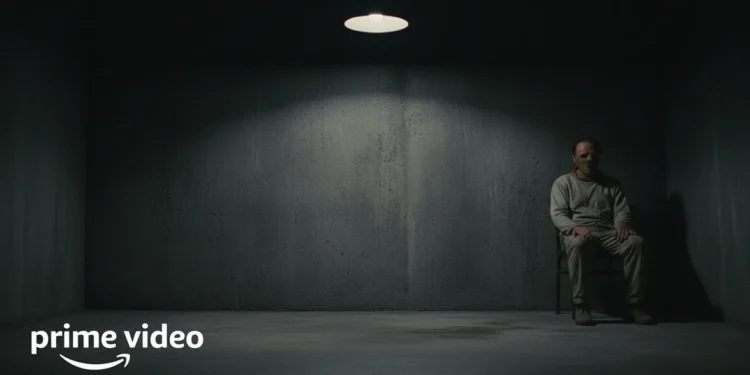
Hannibal Lecter and Clarice Starling define the pinnacle of the psychological thriller genre through a high-stakes exchange of information and personal vulnerability. The plot moves with a clinical precision that avoids the common pitfalls of jump scares or unnecessary action sequences to maintain a sense of dread. Clarice must offer her own past as a form of payment to gain the data needed to track a secondary killer before time runs out. Every scene between the two leads functions as a psychological chess match where a single mistake results in a total loss of trust.
The stillness of the acting performances creates a heavy atmosphere that feels uncomfortably real for the duration of the film. A viewer must pay attention to the subtle facial tics and environmental cues that signal a shift in the power dynamic between the predator and the trainee. These small details are the building blocks of the tension that has kept this film at the top of watch lists for over three decades. The script treats the audience as an intelligent participant in a horrific game of cat and mouse that never feels predictable or safe.
Maintaining visual integrity during the darker scenes of the Baltimore asylum is a requirement to understand the visual storytelling on display. The cinematographer uses shadows to represent the psychological cages inhabited by every character in the story. A display with poor contrast will turn these intentional design choices into a blocky, unrecognizable mess of gray pixels. Seeing the true depth of the black levels is the only way to appreciate how the lighting cues shift the mood from a clinical interview to a survival nightmare.
Saltburn explores the obsession and decay of high society
Obsession serves as the primary engine for this visually striking exploration of class, desire, and the corrupting nature of high society. The narrative follows an Oxford student who becomes fixated on an aristocratic classmate and joins him for a summer at a massive country estate. Every interaction in the manor is layered with hidden meanings that only reveal themselves as the protagonist slowly moves through the social hierarchy. The transformation of the characters is a slow process that reflects the rot hidden beneath the beautiful surface of the upper class.
Emerald Fennell uses a specific aspect ratio to create a sense of intimacy that feels almost like looking at a private collection of photographs. The color palette shifts from the cold, sterile tones of university life to the warm and highly saturated hues of the Saltburn estate. These visual markers are essential data points that track the shifting power dynamics and the emotional state of the household. Identifying the subtle visual metaphors scattered throughout the landscape requires a screen with high chromatic accuracy to prevent the details from blurring together.
The bold performances of the lead actors provide a stable foundation for a script that takes massive risks in its final act. Some audiences find the shift in tone to be divisive, as the story moves from a slow burn into a more visceral and shocking territory. This specific movie requires a wide color gamut to handle the vibrant garden parties and the dark, textured interiors of the country manor. The beauty of the cinematography makes the underlying horror even more unsettling as the truth of the summer begins to surface.
The Handmaiden weaves a complex web of deception and desire
Park Chan-wook delivers a three-part narrative that explores a massive con involving an heiress and a thief posing as a count. The story is set in 1930s Korea and features an intricate structure where the same events are viewed from different perspectives to reveal new truths. Each chapter provides critical data that recontextualizes everything the audience has previously seen in the earlier segments of the film. The complexity of the plot requires the viewer to track multiple lies and hidden motivations simultaneously to understand the true outcome of the game.
The production design features a fusion of Japanese and Victorian architecture that creates a setting as complex as the characters. Meticulous sound design and a haunting score heighten the tension of the long-game deception being played out on the screen. While the movie is highly regarded for its storytelling, the runtime and the explicit nature of the film are factors for a potential viewer to consider. Structural precision makes this movie a masterclass in how to manipulate expectations through visual storytelling and careful narrative reveals.
Quality viewing requires hardware that handles high bitrate streaming
Relying on the slow, outdated chip built into a standard smart TV often results in a degraded cinematic experience. These internal systems frequently lack the processing power to handle high bitrate 4K streams without introducing stutters or system crashes. Mental limits are tested by the story, but the patience of the viewer is tested by the hardware failures. Artifacting in dark scenes pulls a viewer out of the experience and ruins the careful work of the cinematographer and the director.
The Roku Smart TV 65 Inch Pro Series offers a high-performance solution for those who require accurate color reproduction and deep black levels. Its panel provides the contrast needed to see the details hidden in the shadows of the Baltimore asylum or the corners of the Saltburn manor. Many viewers find that a dedicated display resolves common issues like color banding and motion blur during fast-motion sequences. Securing a panel with a high refresh rate and local dimming zones preserves the visual integrity of these cerebral films.
Viewers looking for a faster interface and superior signal stability find that a dedicated streaming player provides a more consistent stream. The Fire TV Cube uses a powerful chip to render complex 4K visuals without the lag typical of lower-end hardware. A stable connection provides a situation where the tension of a psychological thriller is never broken by a buffering wheel during a critical moment. Dedicated hardware allows the apps to run with higher priority, resulting in a cleaner image and better audio synchronization for the viewer.
Decisive Selection for High Bitrate Playback
Data suggests that a dedicated hardware solution provides the most stable environment for streaming high-concept cinema. The choice between a high-end integrated display and a standalone streaming device depends on the existing home theater setup. Every viewer must evaluate their current playback chain to avoid the frustration of a subpar viewing experience. Psychological cinema demands a level of focus that is only possible when the technology stays out of the way of the art.
Cinematic enthusiasts requiring deep contrast often select the Roku Smart TV 65 Inch Pro Series while viewers seeking gaming options prefer the Fire TV Cube Luna Bundle. Both paths offer a significant jump in visual fidelity compared to the standard apps found in most budget television sets. Reclaiming the home theater experience requires moving beyond the limitations of default software and embracing hardware that respects the director’s vision.