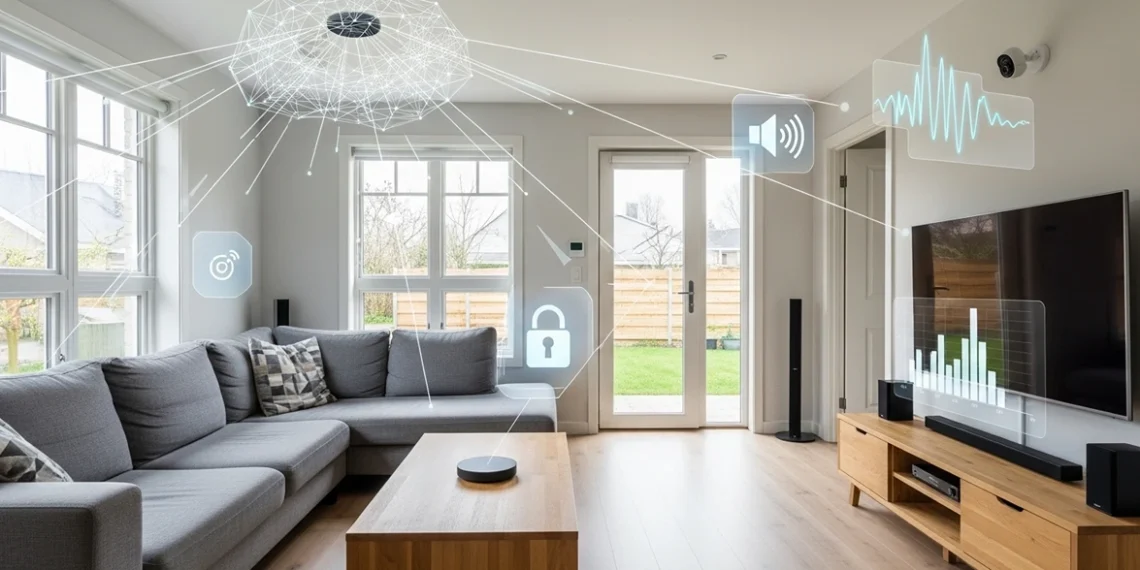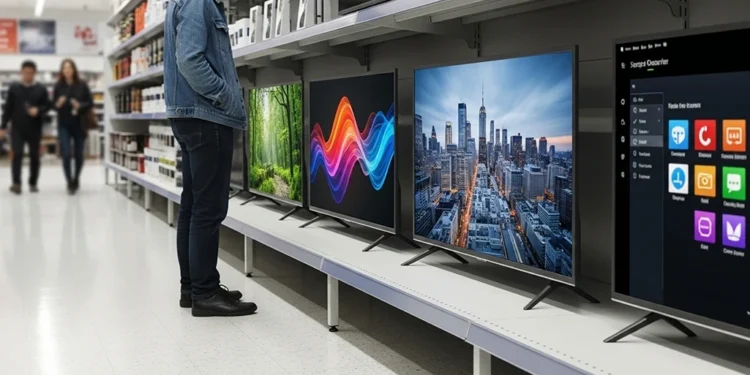
Every new screen sitting on a retail shelf today is basically a spy that people pay to bring into their homes. Most folks assume the purchase is for a piece of hardware to watch movies, but the technical truth is that manufacturers view the buyer as the product. Understanding why smart tvs are a bad buy starts with looking at the hidden software that tracks every move inside the house.
Integrated systems handle user info in ways that are honestly gross. Brands use technology like Automatic Content Recognition (ACR) to monitor what is on the glass, what is being played, and even what happens on other devices on the same network. Better visual outcomes are not the priority for these companies; they want to build a profile to sell to the highest bidder.
Built In Software and the Decay Loop
Hardware components in these sets are usually fine, but the internal chips and apps are designed to fail. A screen might last fifteen years, yet the “smart” guts will start to crawl after just three seasons. Most manufacturers stop sending updates as soon as a newer model hits the market to force an upgrade.
This creates a cycle where expensive gear becomes a paperweight because the apps won’t load or the interface is too sluggish to use. Internal chips have very limited thermal headroom because they sit right next to a hot backlight. Heat from the screen causes silicon degradation that external boxes never have to deal with. Builders of these units know that slow software is a great way to push a customer toward a new purchase.
Paying for Features You Never Touch
Most buyers pay a premium for integrated systems that they eventually abandon. Countless setups exist where people ignore the built-in apps and just plug in an external unit anyway. The technical outcome is that you are paying for a second computer inside your screen that serves no purpose other than tracking your metrics.
Cheaper sets are often subsidized by this data harvesting engineering. The only reason a 65-inch 4K screen is so affordable is because the brand makes their real profit from your privacy. This cynical trade-off benefits the corporate office far more than the person sitting on the couch. High-quality hardware should not require a surveillance agreement to function.
Surveillance Mechanics in Your Living Room
Automatic Content Recognition is the most intrusive part of the modern smart experience. This hardware captures “digital fingerprints” of whatever is on the glass, including gaming sessions or local news. Tracking happens at the hardware level, meaning the frame buffers capture visual signatures from any HDMI source. Pixel tracking occurs even when the source is a physical disc or a legacy console.
Turning these features off is usually a nightmare hidden behind legal jargon and confusing menus. Some brands even block basic functions if a user refuses to share their personal details. This setup feels less like a tool you own and more like a service you are renting with your personal habits. The user agreement is a “take it or leave it” trap that strips away control from the owner.
Breaking the Loop with Standalone Hardware
The smartest move for any savvy user is to treat the screen like a “dumb” monitor. Buying a high-quality display and never giving it access to a Wi-Fi network is the only way to win. This stops the surveillance and prevents software decay from ruining a perfectly good piece of glass. Standalone units ensure that the interface stays fast and the metrics stay more secure.
Dedicated boxes get regular updates and have the processing muscle that built-in apps lack. Ethernet ports on external units offer more stability for high-resolution streams. Internal Wi-Fi antennas are often blocked by the metal chassis or the screen itself. Signal loss leads to the “loading wheel” that ruins every movie night and causes endless frustration.
The Final Outcome for Your Home
Integrated systems are a convenient lie that most people buy into without thinking. The trade-offs for privacy and longevity are just too high to recommend these units as a complete solution. A reliable screen that stays out of your business is always better than a “smart” unit that is constantly reporting back to a server. Most people are paying for engineering that is working against their own interests.
Stop letting these brands turn your living room into a data center for their own profit. Buy the hardware for the display quality and then cut the cord to their tracking servers. This choice ensures that your tech works for you instead of the other way around. Dedicated gear is the only way to avoid the decay and the data leaks that define the current market.
Standalone hardware like the Roku Ultra stops the data leaks while the engineering found in the Fire TV Omni hardware facts identifies a different fit for minimalist rooms.